Table of Content
The salon is a permanent tasting exhibition of 100 of the best Moravian and Bohemian wines. The wines are selected annually in the country’s most renowned and all-encompassing national wine competition. Klentnice is located on the eastern slope of the Pálava hills and is overshadowed by the ruins of the 13th-century castle, Sirotci Hradek. Today, it is home to the Pavlov Archaeological Park, which is built in the exact spot mammoth hunters were said to live over 30,000 years ago. Countless artifacts, including primitive wine-making tools, have been found in the area and are now on display in the museum’s exhibit.
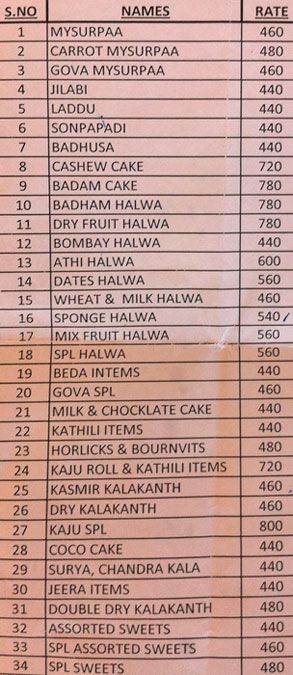
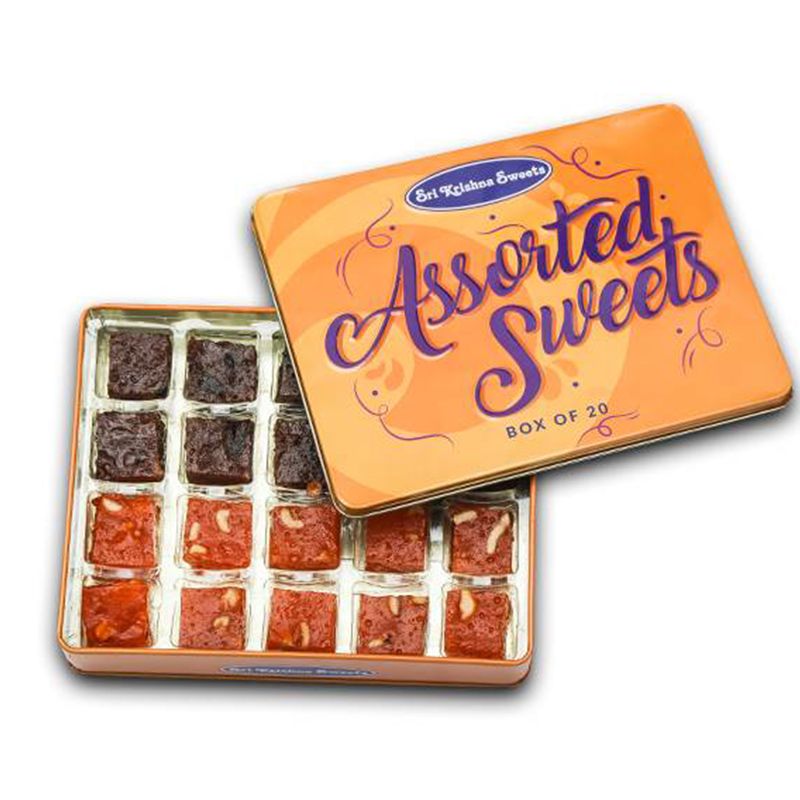
It is engaged in the pursuit of manufacturing and selling traditional home made Hyginic Rich Tasty sweets & savories for over five decades with modern manufacturing practices. Send High Class Sri Krishna Sweets to India to your dears for all Occasion through OrderYourChoice. Delivery Same day to Chennai, Bangalore, Hyderabad, Secunderabad, Coimbatore, Madurai, Trichy, Enakulam 1-2 days to other Cities. There are 12 UNESCO sites in the Czech Republic…and you should visit ALL of them on a day trip from Prague! If you’re traveling with a family, and have a car there is no better accommodation option thanPenzion Pastuška.
Sweet Mixtures
Sparing no expense, royals of the family took seasonal residence in Lednice Palace and Valtice Palace. Compared to the small family cellars and village wineries, Sonberk and Gotberg are excellent examples of how polished the industry has become in some instances. That said, they are consistently producing some of the Czech Republic’s highest quality wines. Today, Mikulov is a quiet, but thriving wine-town surrounded by vineyards and lush countryside.
They can arrange as little or as much as you require including accommodation, transportation, tastings, and meals. Znojmo is a beautiful historic town that dates back to the 7th century. It is famous for being the capital of an important wine growing region and also for pickles. As tourism continues to grow in South Moravia, so do the number of wine tours in the area.
Things to Do in the Mikulov Wine Region of South Moravia
To reach South Moravia from Brno, you have the option to travel to Mikulov by train, taxi or night bus. Buses leave regularly from Prague Florenc Bus Terminal (Prague ÚAN Florenc) and arrive within 2.5-3 hours at the Brno Hotel Grand. Depending on the time of day, a return ticket usually costs around €20.00.
South Moravia offers not only great wine, but also natural wonders and many cultural monuments. She’s on a mission to explore the world through responsible cultural and adventure travel, and through deeper, more meaningful local experiences. She’s a lover of adventure, the outdoors and everything food related, and she’s always looking for ways to make a positive impact through sustainable travel. There is a huge network of cycling routes criss-crossing the region, and it’s a very popular activity in the spring and summer. The Moravian Karst is one of the most significant karst regions in Central Europe, with more than 1,100 caves. Five of these caves are open to the public and offer walking tours inside the cave for all types of travelers.
South Moravia offers not only great wine, but also natural wonders and many cultural monuments.
It is a place worth visiting both for those who love nature and those who are interested in cultural monuments. In the Znojmo region, I visited the Lahofer Winery, with its striking building in the shape of a wave. This modern piece of architecture is nestled in the middle of the vineyards which can be appreciated from the rooftop.
In this way, you quickly begin to see how South Moravian wine is not just business but rooted deeply in tradition and the region’s culture. You should definitely visit the local wine cellars and taste some Moravian wine. The Moravian Karst with more than a thousand caves and the famous Macocha abyss is also worth seeing.
Since then, the hills have remained a defining part of the natural landscape and a focal point for winemakers of the region. The history of the Mikulov wine region all comes back to the Pálava hills – a series of limestone cliffs protected by the UNESCO biosphere reserve. That said, summertime is high season, and on weekends accommodation can be hard to come by.
South Moravia is also home to several local varieties, including Moravian Muscat, Cabernet Moravia, and our favorite – Pálava. The South Moravia wine-growing region is divided into four subregions – Znojmo, Mikulov, Velké Pavlovice, and Slovácko. If you guys are looking for adventure in the Czech Republic have a look at our day trips from Prague article for all sorts of trip ideas.
The town Mutěnice is considered the heart of the region and is home to the Wine Research Institute. Other notable towns include Petrov, known for its unique preservation of original wine cellars, and Prušánky. In the Slovácko region, I visited the more traditional Pežl wine cellars in Petrov. Not only are these cellars the most beautiful in Moravia, they come with a lot of history, with some of them dating back to the 15th century. You’ll also learn about the wine growing culture, the traditional costumes of the region, and about daily rituals and beliefs that people used to follow. The best way to get from Prague to South Moravia is via Brno.
Additionally, each of the rooms come with a private bathroom and flat-screen televisions. Finally, the penzion is owned and run by the exceptional Lipa winemakers so amazing wine is always at an arm’s reach. Located in the cellar of Valtice Palace is the Wine Salon of The Czech Republic.
This lovely family home has everything you need to experience an authentic country stay in South Moravia. The penzion has a children’s palyground, water sports facilities, and on-site restaurant serving delicious local homemade cuisine and a bar. The Czech Republic is known for its light to medium-bodied white wines. In fact, 65% of wine production is white and 90% of it is made in South Moravia. The most frequent variety in South Moravia is Green Veltliner (Grüner Veltliner), which is primarily grown in Austria, Slovakia, and the Czech Republic.





No comments:
Post a Comment